

Constar Explains Why Contact Lens Safety Standards Vary Wildly Across Global Markets

Contact lenses are classified as medical devices in most countries, yet the safety standards governing their manufacture, testing and import differ dramatically from one market to the next. For consumers, the gap creates confusion. For distributors and brand owners, it creates risk.
The United States requires FDA premarket clearance for every lens sold on its soil. The European Union enforces CE marking under Medical Device Regulation 2017/745. Saudi Arabia demands SFDA registration. Indonesia requires AKL approval. Australia enforces TGA compliance. Vietnam operates its own Class B system. No two frameworks are identical, and the penalties for non-compliance range from shipment seizure at customs to permanent marketplace bans.
"A lens that is perfectly legal to sell in one country can be stopped at the border of the next," said Dr. Wei Lin, Head of Quality Assurance at Gansu Constar Technology Group. "Distributors who assume one certification covers all markets quickly learn otherwise — and the cost falls on their customers."
The Regulatory Patchwork: One Product, Dozens of Rules
In the United States, contact lenses fall under 21 CFR Part 886 and require establishment registration, device listing and premarket notification or approval. Lenses sold without FDA clearance are subject to detention by Customs and Border Protection, and online marketplaces such as Amazon and 1&1 have begun requiring proof of clearance before approving optical product listings.
The European Union's Medical Device Regulation, which replaced the Medical Device Directive in 2021, imposes stricter post-market surveillance, clinical evaluation and unique device identification requirements. CE 0197 — the specific notified body designation for optical devices — is held by only a small number of manufacturers globally, making it a significant barrier to entry for new brands.
In Southeast Asia, requirements vary even within sub-regions. Thailand's TFDA requires product registration and local representative filing. Malaysia enforces its own Medical Device Authority standards. Vietnam applies a tiered classification system that assigns contact lenses to Class B, requiring a different documentation package than Class A devices.
The Middle East presents additional complexity. Saudi Arabia's SFDA registration process involves technical dossier review, facility inspection and ongoing pharmacovigilance obligations. The UAE operates under a separate framework managed by the Ministry of Health and Prevention. Both markets have tightened import controls in recent years, with customs authorities now requesting batch-level compliance documentation that many smaller manufacturers cannot provide.
What Non-Compliance Costs Consumers
When distributors source from manufacturers lacking proper regional certifications, the consequences extend beyond financial loss. Non-compliant lenses may bypass critical safety testing for biocompatibility, oxygen permeability and dimensional accuracy — parameters that directly affect eye health. Reports of corneal infections, allergic reactions and vision impairment linked to improperly manufactured contact lenses surface regularly in emergency departments across Asia and Latin America.
"The consumer rarely sees the compliance gap until something goes wrong," Lin said. "By then, the product is in their eye, not on a customs manifest."
Triple Certification as a Market Access Strategy
Against this backdrop, manufacturers holding multiple regulatory certifications occupy a distinct competitive position. Gansu Constar Technology Group is the only contact lens manufacturer in China simultaneously holding FDA, CE 0197 and ISO 13485 certifications — three credentials that, together, provide a clear path into virtually every regulated market worldwide.
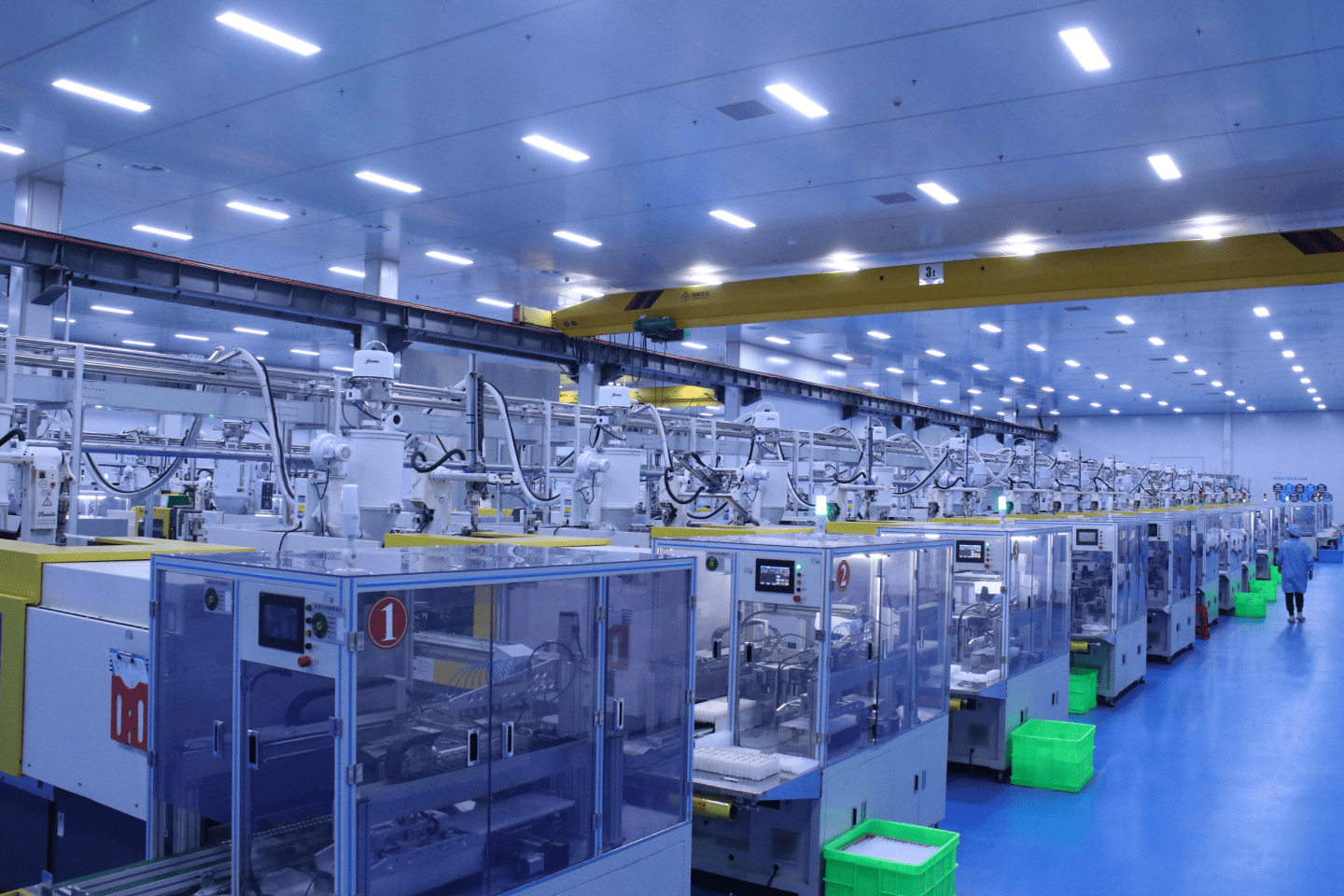
The company operates six production facilities across Gansu and Hunan provinces with a combined capacity of more than 15 million lenses per month. Its certification portfolio covers eight regulatory regions, eliminating the need for distributors to source from multiple factories to serve different geographies.
"We have had clients come to us after losing entire shipments at customs because their previous supplier's documentation was incomplete," said Michael Zhang, Director of Business Development at Constar. "Full regulatory compliance is not a luxury. It is a baseline requirement for any serious cross-border operation."
What Distributors Should Verify Before Sourcing
Industry experts recommend that distributors and brand owners evaluate manufacturers against three criteria before placing orders:
First, verify that the manufacturer holds certifications specific to each target market — not just a single general credential. A CE mark alone does not satisfy FDA requirements, and vice versa.
Second, confirm that the manufacturer can provide batch-level documentation including Certificates of Analysis, biocompatibility test reports and material safety data sheets with every shipment.
Third, assess the manufacturer's track record with customs clearance in your target region. Established manufacturers with years of export experience will have documented processes for navigating local import requirements.
For brand owners and distributors seeking a manufacturing partner with verified multi-market compliance, Constar offers complimentary regulatory consultations and product samples to qualified inquiries.
About Gansu Constar Technology Group
Gansu Constar Technology Group Co., Ltd. is a China-based contact lens manufacturer specializing in OEM and ODM services for global brands and distributors. Founded more than 40 years ago and headquartered in Baiyin, Gansu Province, the company operates six production facilities with a combined capacity of 15 million lenses per month. Constar holds FDA, CE 0197 and ISO 13485 certifications and serves partners in more than 50 countries. For more information, visit www.constarfactory.com.
Gansu Constar
Gansu Constar Technology Group CO.,LTD
+852 91218475
info@constarfactory.com
Legal Disclaimer:
EIN Presswire provides this news content "as is" without warranty of any kind. We do not accept any responsibility or liability for the accuracy, content, images, videos, licenses, completeness, legality, or reliability of the information contained in this article. If you have any complaints or copyright issues related to this article, kindly contact the author above.
